Category Archives: Products

Role of Medical Waste Incinerators in Modern Public Health Systems

Role of Medical Waste Incinerators in Modern Public Health Systems

In modern healthcare, the safe disposal of infectious and biomedical waste is as vital as diagnosis and treatment. Hospitals, clinics, and laboratories generate large volumes of contaminated waste daily. Without controlled destruction, these materials pose serious risks to public health through secondary infections, environmental pollution, and disease transmission. Medical waste incinerators therefore serve as an essential part of the public health defense chain.

1. Incineration as a Core Hygiene Barrier

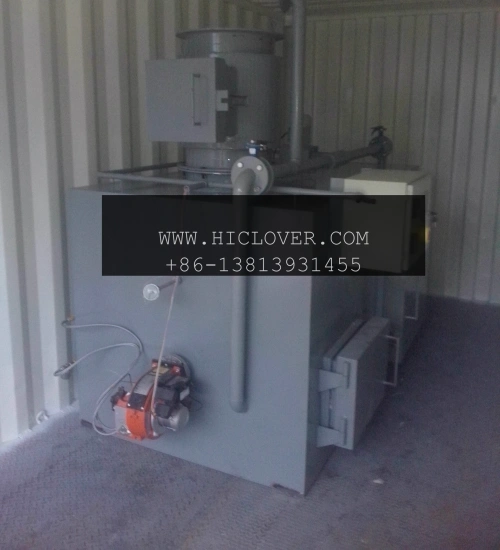
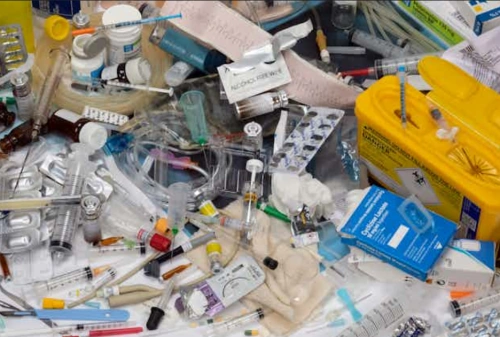
Incineration ensures total sterilization of infectious materials such as used syringes, surgical disposables, and contaminated dressings. The combustion chambers of advanced models reach temperatures above 850C1100 °C, effectively destroying pathogens and reducing waste volume by up to 90%. This process prevents bacterial or viral survival, protecting hospital staff, waste handlers, and surrounding communities.

2. Integration into National Public Health Systems

Countries supported by WHO and UNDP have increasingly recognized incineration as a strategic requirement in hospital infrastructure. In regions with limited waste treatment facilities, containerized and mobile incinerators enable field hospitals, refugee camps, and rural clinics to maintain strict hygiene standards. HICLOVER has supplied such systems to over 40 countries―including Kenya, Tanzania, Iraq, and East Timor―helping national authorities align with WHO guidelines for infectious waste control.
Learn more: HICLOVER Industrial-Grade Incinerators

3. Medical Waste Sterilization and Air Pollution Control

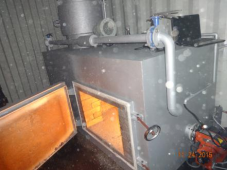
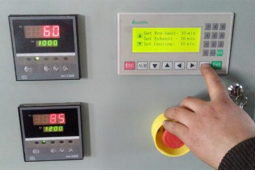
Modern incinerators include dual combustion chambers, automatic burners, and wet or dry scrubber systems to minimize emissions. These technologies comply with international environmental standards while guaranteeing the complete neutralization of hazardous waste. For hospital settings, HICLOVER’s PLC-controlled units automate temperature regulation and waste feeding, ensuring consistent and safe operation.
Reference: Advanced Automatic Incinerators for Medical Waste Sterilization

4. Field Deployment and Emergency Response

During epidemic outbreaks or humanitarian missions, mobile and containerized incinerators play a crucial role. They can be rapidly deployed to isolate and destroy infectious waste near the source, preventing cross-contamination in crisis zones. HICLOVER’s modular TS150-PLC model, designed for remote environments, has been adopted in AMISOM and WHO field projects for its reliability and low fuel consumption.
Project reference: Incineration Solution for AMISOM Camp

5. Sustainable Public Health Infrastructure

As nations expand healthcare systems after COVID-19, waste management is a cornerstone of sustainability. Incineration remains the most controlled and effective technology for high-risk waste treatment. Combining efficiency, mobility, and emission control, modern incinerators safeguard both the environment and population health―ensuring that hospitals are not just centers of healing, but also of biosafety.
Explore related technology: Custom-Made Medical Waste Incinerators for Hospitals and Clinics


HICLOVER
Supporting WHO and public health missions worldwide
www.hiclover.com
[email protected]
Mobile: +86-13813931455(WhatsApp)

Email:     [email protected]     
Email:     [email protected] 


2025-10-13/23:38:23

High-Capacity Incinerators for Kenya’s Medical Universities and Teaching Hospitals

High-Capacity Incinerators for Kenya’s Medical Universities and Teaching Hospitals

Introduction: Training the Next Generation of Doctors

Kenya is rapidly strengthening its medical education sector, with universities in Nairobi, Eldoret, and Kisumu expanding their teaching hospitals. These facilities not only provide clinical training for future doctors but also serve as high-volume referral hospitals handling thousands of patients daily. With such growth, the need for high-capacity medical waste incinerators has become critical to ensure both educational and operational safety.

The Challenge of Medical Waste in Teaching Hospitals

Unlike smaller county hospitals, teaching institutions generate large and complex waste streams, including:

  • Infectious waste from surgical wards and laboratories

  • High volumes of disposable plastics from training exercises

  • Sharps from daily student practice and medical procedures

Without robust treatment systems, these facilities face compliance risks under the National Environment Management Authority (NEMA) regulations and lose eligibility for international donor support.

Compliance and Documentation Requirements

Medical universities often work with international partners, NGOs, and donor-funded research projects. These collaborations require strict compliance with WHO guidelines and demand temperature monitoring and documentation of waste destruction. For this reason, incinerators with temperature recorders and automated PLC systems have become a standard requirement for Kenya’s academic hospitals.

HICLOVER TS250: A Reliable Solution for Academic Hospitals

The HICLOVER TS250 model has been developed for facilities that require continuous, large-scale waste disposal:

  • Capacity: 250 kg/hour burn rate, ideal for referral and teaching hospitals

  • Primary Chamber: Over 2,500 liters, capable of handling bulk medical waste and plastics

  • Secondary Chamber: ≥1100°C with ≥2-second gas retention, ensuring complete destruction of dioxins and furans

  • PLC Automation: Automatic ignition, airflow control, and temperature recording for compliance audits

  • Fuel Options: Dual-fuel burners (diesel and gas) to adapt to different supply chains across Kenya

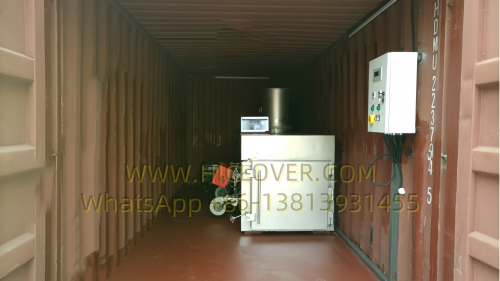
  • Containerized Design: Pre-installed in 20ft or 40ft ISO containers for rapid deployment and easy relocation between teaching campuses or donor-funded hospital expansions

Applications Across Kenya’s Academic Sector

  • University of Nairobi Teaching Hospital: High-volume waste incineration for surgical training and research facilities

  • Moi University School of Medicine (Eldoret): On-site waste destruction to support a major referral and teaching hospital in western Kenya

  • Kisumu Medical Training Institutions: Containerized units provide flexible solutions where civil infrastructure is limited

  • Donor-Funded Partnerships: Meeting the expectations of UNDP, WHO, and World Bank-supported medical training programs

Conclusion

The demand for high-capacity incinerators in Kenya’s teaching hospitals and medical universities reflects the country’s dual priorities: advancing medical education and maintaining compliance with national and international health standards. With models such as the HICLOVER TS250, Kenya’s academic hospitals gain access to containerized, dual-fuel, and fully automated waste management technology that ensures both environmental protection and safe training environments for future doctors.

For specifications and procurement inquiries:
www.hiclover.com
[email protected]


Mobile: +86-13813931455(WhatsApp)

Email:     [email protected]     
Email:     [email protected] 
 

2025-09-24/09:43:19

Medical Waste Disposal in South Africa: Why Incineration is the Sustainable Choice

Medical Waste Disposal in South Africa: Why Incineration is the Sustainable Choice

The Challenge of Medical Waste in South Africa

South Africa faces growing pressure to manage medical waste effectively. Hospitals, clinics, and laboratories across Johannesburg, Cape Town, Durban, and rural provinces generate large volumes of infectious waste, sharps, pharmaceuticals, and pathological materials every day. Poorly managed waste poses significant risks to public health, especially in densely populated urban centers and in rural areas where waste treatment infrastructure is limited.

While landfill disposal and small-scale burning have been practiced in the past, these methods fail to meet modern environmental standards. South Africa’s National Environmental Management Waste Act (NEMWA), combined with increasing expectations from international organizations, demands safe and compliant solutions for healthcare waste treatment.

Why Incineration is a Leading Solution

Incineration is recognized globally as one of the most reliable methods for medical waste disposal. Its advantages include:

  • Complete destruction of infectious waste: High-temperature dual chambers reach 850–1300°C, ensuring full pathogen elimination.

  • Volume reduction: Waste volume is reduced by up to 90%, lowering transport and storage costs.

  • Adaptability: Incinerators handle diverse waste streams such as sharps, plastics, gauze, expired medicines, and pathological waste.

  • Compliance with WHO & EU standards: Properly designed incinerators meet strict emission requirements, including control of CO, dust, and dioxins.

HICLOVER Incinerators for South Africa

HICLOVER has supplied advanced incineration systems across Africa, including Kenya, Tanzania, Nigeria, and South Sudan. For South Africa’s specific needs, models like HICLOVER TS100 PLC and HICLOVER TS200 PLC are ideal choices for hospitals and regional healthcare centers.

Key Features of HICLOVER Incinerators:

  • Dual Chamber Design: Primary combustion at 850–1000°C; secondary chamber at 1100–1300°C with ≥2 seconds residence time.

  • PLC Automatic Control: User-friendly operation with real-time temperature and safety monitoring.

  • Fuel Options: Diesel or natural gas burners with intelligent fuel-saving mode.

  • Durable Refractory Lining: High alumina bricks (≥65% Al₂O₃, 1750°C grade) ensure long-term operation.

  • Optional Emission Control Systems: Wet scrubbers, activated carbon filters, and baghouse filters can be added to meet EU Directive 2010/75/EU standards.

  • Mobile & Containerized Options: Trailer-mounted or ISO-containerized incinerators allow flexible deployment to rural clinics, mining camps, and temporary healthcare facilities.

Application in South African Context

  1. Hospitals and Clinics: Safe disposal of sharps, gauze, and biohazardous materials in compliance with NEMWA.

  2. Mining and Oilfield Camps: Containerized models for remote industrial sites in Limpopo, Mpumalanga, and Northern Cape.

  3. Rural Healthcare: Portable units for clinics in underdeveloped provinces where centralized treatment plants are unavailable.

  4. NGO and UN Projects: Supporting donor-funded healthcare programs for HIV/AIDS, tuberculosis, and vaccination campaigns.

Conclusion

South Africa needs scalable, environmentally compliant medical waste solutions. HICLOVER incinerators provide advanced technology tailored for both urban hospitals and rural clinics, offering safety, efficiency, and long-term sustainability.

For projects in South Africa, HICLOVER can supply robust containerized or fixed incinerator units, complete with installation, training, and after-sales support.

Contact HICLOVER for South Africa projects:
Email: [email protected]
Website: www.hiclover.com


Mobile: +86-13813931455(WhatsApp)

Email:     [email protected]     
Email:     [email protected] 


2025-09-08/09:48:30

Comparison of Medical Waste Treatment Methods

Comparison of Medical Waste Treatment Methods

Criteria Incineration (HICLOVER) Autoclaving (Steam Sterilization) Microwave Treatment
Effectiveness Destroys all medical waste types (ACE): infectious, pathological, sharps, pharmaceuticals, and chemical waste. Sterilizes infectious waste (Category A); not effective for pathological, pharmaceutical, or chemical waste. Disinfects infectious and sharps waste; limited for pharmaceuticals and chemical waste.
Volume Reduction Up to 95% reduction, converting waste into sterile ash. No volume reduction; waste still requires shredding and landfill disposal. Limited reduction; waste still requires secondary handling and disposal.
Waste Compatibility Handles plastics, gauze, syringes, sharps, body parts, and contaminated pharmaceuticals. Suitable only for infectious soft waste (bandages, dressings, some sharps). Limited to specific infectious waste streams with controlled moisture content.
Energy/Fuel Requirements Uses diesel, LPG, or natural gas; fuel-efficient with high combustion efficiency (>95%). Requires steam generation; moderate electricity and water use. Requires continuous high-voltage electricity supply; very power intensive.
Environmental Controls Dual chamber design at 850C1300°C; optional wet scrubber, dry scrubber, activated carbon, and bag filter for dioxin/furan control. No emission control needed, but treated waste still poses environmental risks if not disposed properly. Produces no direct flue gases, but high electrical load and secondary waste remain.
Implementation Speed Quick installation; models available in mobile, containerized, or fixed units for immediate use. Requires infrastructure for steam supply and secondary waste disposal. High capital investment and complex installation requirements.
Costs Medium capital investment; low operational costs per ton of waste. Low-medium investment; operational costs tied to steam system and landfill fees. Very high capital and operational costs; impractical for most developing countries.
Suitability in Developing Regions Highly suitable; reliable even with mixed waste streams and limited segregation. Partially suitable; requires strict segregation and reliable waste logistics. Poor suitability due to high electricity demand and high upfront costs.

Conclusion

While autoclaving and microwave treatment have niche applications, they cannot handle the full spectrum of medical waste and often require secondary handling or disposal. In contrast, HICLOVER incinerators provide:

  • Direct and complete destruction of all medical waste categories.

  • High-volume reduction with minimal residue.

  • Compliance with WHO guidelines, EU WID standards, and GB18484-2020.

  • Scalable solutions from small rural clinics to large hospitals and donor-funded projects.

For healthcare systems in Africa, Asia, and beyond, HICLOVER medical waste incineration systems remain the most practical, efficient, and environmentally compliant choice.


Mobile: +86-13813931455(WhatsApp)

Email:     [email protected]     
Email:     [email protected] 


2025-09-02/00:04:38

Burkina Faso Biological Waste Management

Burkina Faso Biological Waste Management

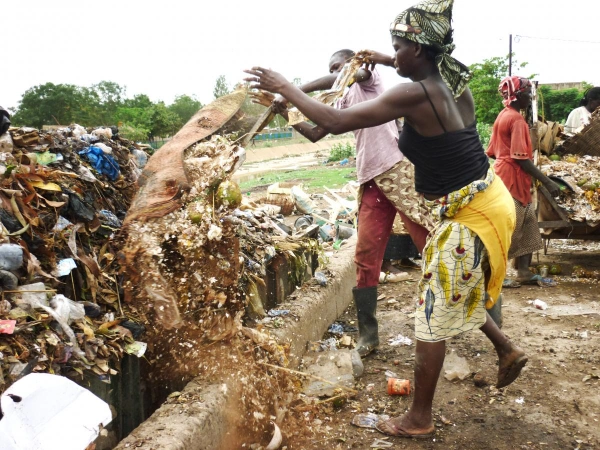
Burkina Faso, a landlocked country in West Africa, faces significant challenges in managing biological and medical waste. Rapid population growth, expanding healthcare infrastructure, and limited waste treatment facilities have raised concerns about public health and environmental safety. To address these issues, eco-safe biological waste management solutions are increasingly being explored, offering both technological and sustainable approaches.

Current Situation of Biological Waste in Burkina Faso

Hospitals, clinics, veterinary centers, and laboratories in Burkina Faso generate biological waste on a daily basis. This includes:

  • Medical waste such as syringes, infusion sets, dressings, and contaminated plastics.

  • Animal by-products from slaughterhouses and veterinary facilities.

  • Organic matter from food industries and urban areas.

In many cases, the lack of advanced treatment facilities results in uncontrolled disposal, open burning, or unsafe landfilling, creating risks of infectious disease spread, water contamination, and air pollution.

Importance of Eco-Safe Waste Management

Adopting eco-safe technologies ensures that waste is treated with minimal environmental impact. For Burkina Faso, this means combining:

  • High-efficiency incinerators with proper secondary combustion chambers and wet scrubber systems to control emissions.

  • Waste segregation programs at source to separate sharps, plastics, and organic waste.

  • Training and capacity building for healthcare and municipal staff to improve compliance with international waste management standards.

Technological Solutions for Burkina Faso

One of the most reliable technologies for biological waste treatment is the use of medical-grade incinerators. For example, the HICLOVER TS100 incinerator with an optional wet scrubber system provides:

  • High-temperature combustion (above 850C1200°C) for complete destruction of pathogens.

  • Multi-chamber design to ensure clean flue gas emissions.

  • PLC-based automation for safe and easy operation in healthcare facilities.

  • Compatibility with diesel, LPG, or natural gas depending on local availability.

Such equipment is particularly valuable in Burkina Faso’s regional hospitals, UN-supported camps, and rural clinics, where reliable and eco-friendly solutions are urgently required.

Commercial Perspective and Market Relevance

International organizations such as the United Nations (UNDP, WHO, UNICEF), NGOs, and government agencies are actively funding projects in Burkina Faso related to healthcare and waste management. These institutions are seeking sustainable and field-proven technologies.

  • Key market drivers: demand for safer hospitals, stricter waste management regulations, and the need for decentralized treatment solutions.

  • Potential buyers: hospitals, municipalities, veterinary departments, mining camps, and refugee support organizations.

With its robust technical features, HICLOVER incinerators represent a practical and cost-effective choice for Burkina Faso, offering both environmental protection and long-term operational reliability.

Conclusion

Eco-safe biological waste management is not just a necessity but a strategic investment for Burkina Faso. By adopting modern incineration systems with emission control, the country can significantly reduce environmental hazards while supporting public health. Reliable solutions like the HICLOVER TS100 incinerator with a scrubber system are well-suited to Burkina Faso’s healthcare and municipal infrastructure, ensuring compliance with international standards and contributing to a cleaner, safer future.


Mobile: +86-13813931455(WhatsApp)

Email:     [email protected]     
Email:     [email protected] 


2025-09-01/09:33:58

Why UN Peacekeeping Camps Require Containerized Top-Loading Incinerators

Why UN Peacekeeping Camps Require Containerized, Top-Loading Incinerators

 Rapid Deployment & Portability

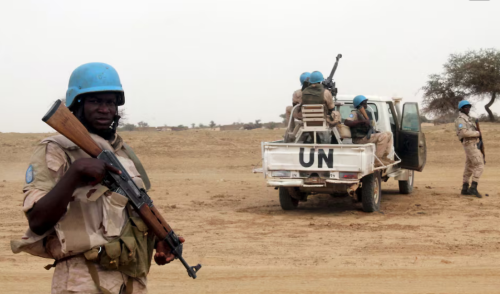
Peacekeeping missions like UNMISS (South Sudan), MINUSCA (Central African Republic), or MONUSCO (DR Congo) often establish or relocate camps in remote, conflict-affected, or insecure areas.

  • Containerized incinerators are built into standard 20ft or 40ft shipping containers, allowing easy transport by truck, rail, or even ship/air.

  • No need for complex foundations or large civil works: they can be offloaded and operated quickly.

  • Camps often move, expand, or close down – a containerized unit can be redeployed to the next site.


 Protection & Durability

Camps face harsh weather, dust, and security risks:

  • The steel container shell shields equipment and electronics from rain, wind, sandstorms, and even occasional vandalism.

  • Improved safety: reduces exposure of hot surfaces to personnel.

  • Container also serves as a locked housing, protecting burners, control systems, and spare parts.


 Controlled Waste Handling: Top Loading Design

Peacekeeping and humanitarian camps produce mixed solid waste: medical waste, food scraps, packaging, plastic, and sometimes hazardous biological waste.

  • Top loading design allows direct disposal of waste from trolleys or bins without complex conveyors.

  • Simplifies operation: less manual handling, reducing staff exposure to infectious or hazardous waste.

  • Large feeding door can accept bulky items, cartons, or packaging materials common in field logistics.


 Capacity Matches Camp Needs

Typical large camps or regional field hospitals generate around 180–220 kg/hour of solid and medical waste:

  • A 180 kg/h unit (e.g., HICLOVER TS200) suits medium camps, small hospitals, or specialized bases.

  • A 220 kg/h unit (e.g., HICLOVER TS300) fits larger headquarters camps or logistics hubs.

  • This scale balances daily capacity with manageable fuel use and cost.


 Regulatory & Environmental Compliance

UN, WHO, and international standards require:

  • Two combustion chambers, secondary chamber ≥ 1000°C, ≥ 2 seconds residence time.

  • Automatic burners and temperature monitoring.

  • Wet scrubber or dry filtration options to reduce dust, acid gases, and dioxin risk.
    Containerized incinerators can integrate all these into a compact, pre-engineered solution.


 Maintenance & Spare Parts

Peacekeeping operations are often far from suppliers:

  • Container units keep burners, control panels, and spare parts inside a protected environment, reducing failures.

  • Easier to stock spare burners, sensors, and pumps within the container.

  • Simplifies wiring and plumbing: built at the factory, tested before shipping.


 Summary: Why Peacekeeping Missions Choose Containerized, Top-Loading Incinerators

  • Mobility & fast deployment anywhere

  • All-weather protection and security

  • Simple top-loading for mixed waste

  • Designed capacity matches camp scale

  • Built-in compliance with UN & WHO standards

  • Lower maintenance needs and easier support

This is why containerized incinerators in the 180–220 kg/hour range are the practical and preferred choice for UN missions, oil & mining camps, and other remote field operations.

If you’d like, I can also help craft this into a formal white paper or website page text. Just let me know!

Mobile: +86-13813931455(WhatsApp)

Email:     [email protected]     
Email:     [email protected]

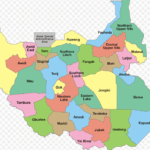
Advanced Medical Waste Incineration TS 200 PLC in South Sudan

Advanced Medical Waste Incineration in South Sudan: Why HICLOVER TS200 PLC is the Perfect Fit

In South Sudan, the safe and efficient disposal of medical and hazardous waste is a growing challenge, particularly in hospitals, refugee camps, and remote health facilities. Meeting strict international technical requirements while also adapting to local conditions is crucial.
The HICLOVER TS200 PLC incinerator is specially designed to address these challenges, offering industrial-grade performance, intelligent control, and reliable compliance.

Below, we explore how the TS200 PLC aligns with customer technical requirements, using real data and our expert answers.


 Technical Requirements

 CE or FDA compliant

 Yes – TS200 PLC carries CE certification (2006/42/EC, 2014/30/EU) and ISO9001:2015.
It is produced under certified quality control, ensuring full compliance for international projects.


 FIREPLACE: Fully insulated internal refractory lining

Instead of a simple confirmation, our product features:

  • High alumina refractory brick (≥115 mm thick, composition ≥65% Al₂O₃, 1750°C grade) for both primary and secondary chambers.

  • Additional high-rate refractory ceramic fiber cold face layer.

  • Heavy-duty refractory with steel fiber on other hot face parts for extra durability.

This advanced multi-layer design ensures superior insulation, heat retention, and long operational life.


 Combustion chamber volume

Instead of a generic “yes,” the TS200 PLC offers:

  • Primary chamber volume: 1980 liters (1.98 m³).

  • Secondary chamber volume: 800 liters (0.8 m³).
    Designed for an average burn rate of 180 kg/hour and feed capacity of 200–250 kg per feeding, ideal for medium to large facilities.


 External metal sheet: Anti-corrosion paint

We apply 250°C grade heat-resistant paint on the external steel surfaces, effectively protecting the incinerator against rust and tropical humidity typical in South Sudan.


 Temperature indicator

Beyond a simple “yes,” our model includes:

  • Corundum probe tube thermometer rated up to 1600°C.

  • Continuous temperature display via 3.7-inch LCD screen.

  • Automatic temperature protection and alarms.


 High temperature retention (HTR)

The TS200 PLC includes an automatic HTR system with temperature adjustability to keep:

  • 1st chamber: 800–1000°C.

  • 2nd chamber: 1000–1300°C.
    Residency time of 2 seconds in the secondary chamber ensures full combustion of harmful substances.


 PLC Automatic control

Our model uses a full PLC automatic system, supporting:

  • Intelligent sensor safety system.

  • Automatic burner on/off control.

  • Automatic cooling and false alarm alerts (visual/audio/display).

  • System testing mode and programmable time settings.

  • Intelligent fuel-saving function to reduce running costs.


 Burner brand

We use Italy brand burners, ensuring long service life, automatic ignition, and high combustion efficiency.


 Fuel consumption

  • Diesel oil consumption: Approx. 22 kg/hour.

  • Natural gas consumption: Approx. 25 m³n/hour.

Efficient design helps reduce fuel costs, critical in areas with limited fuel supply.


 Electrical system

  • Voltage: Standard 220V (with wet scrubber, 380V).

  • Power: 2.0 kW (8 kW if wet scrubber is installed).
    The low power requirement means the incinerator is compatible with local grids or diesel generators.


 Loading system

Default:

  • Manual top loading door (1300x1000mm).
    Optional:

  • Front or side loading doors to fit different site designs.
    The top-loading design is ideal for handling bulky waste like medical gowns, packaging, and containers.


 Automatic system: Fuel-saving & protection

We offer:

  • Automatic high temperature retention.

  • Automatic fuel-saving mode.

  • Automatic cooling and shutdown.

  • Alarm systems (display/voice/light) for temperature or system faults.


 Chimney

  • Stainless steel chimney, height 8 meters.

  • Refractory lined section (1 meter) at the base to protect against high temperatures.
    Designed to withstand harsh outdoor conditions.


 Certifications & quality

  • CE (2006/42/EC, 2014/30/EU).

  • ISO9001:2015.

  • Recognized as a High-tech Enterprise.
    Fully documented for international tenders and donor-funded projects.


 Optional upgrades

  • Wet scrubber: For gas cleaning and lower emissions.

  • Containerized mobile design: Perfect for camps or remote facilities.


 Why TS200 PLC Matches South Sudan’s Needs

  • Large capacity: Supports high daily waste volumes.

  • Intelligent PLC control: Safe and easy to operate, even with limited skilled labor.

  • Low power consumption: Works with local power conditions.

  • Fuel flexibility: Runs on diesel or natural gas.

  • Compact footprint: Fits urban hospitals or rural clinics.

  • Optional containerized/mobile: Quick deployment for emergency or field hospitals.


 Reliable Support for Critical Projects

From large urban hospitals in Juba to humanitarian camps in the north, the HICLOVER TS200 PLC is ready to serve South Sudan’s public health and environmental goals.

Contact us for full technical details, drawings, and compliance documents:
 Website: www.hiclover.com

  • South Sudan incinerator

  • medical waste incinerator

  • PLC automatic incinerator

  • HICLOVER TS200 PLC

  • containerized mobile incinerator

  • CE certified incinerator

Mobile: +86-13813931455(WhatsApp)

Email:     [email protected]     
Email:     [email protected]

Medical Waste Incinerator in Benin

Medical Waste Incinerator in Benin: CE-Compliant, High-Capacity, and Tailored for Local Needs

HICLOVER, a globally recognized manufacturer and exporter of medical waste incinerators, presents its model specifically configured to meet a recent tender requirement in Benin. This solution combines environmental performance, durability, and modern technology, while strictly complying with CE or FDA standards.


 Detailed Technical Features

Primary combustion chamber

  • Fully insulated internal lining using high-quality refractory materials for excellent thermal retention and long service life.

  • Internal dimensions tailored to local requirements: 1060 x 800 x 700 mm (+/- 5%) to optimize capacity and loading ergonomics.

  • Minimum loading capacity: 200 kg, ensuring efficient treatment of hospital and biomedical waste.

  • Heating capacity: up to 420 kW (instead of the standard 390 kW), providing faster temperature rise and improved destruction efficiency.

  • Double-pass heating principle, improving thermal efficiency and reducing fuel consumption.

Afterburner chamber

  • Fully insulated, built with special refractory bricks and low-thermal-mass insulation.

  • Guaranteed minimum temperature: 1100°C, ensuring complete destruction of smoke and pollutants.

  • Automatic control by temperature-driven combustion fans with on-off ignition.


 Control & Safety

  • Programmable Logic Controller (PLC) to manage cycles, safety, and preventive maintenance.

  • 6-inch touchscreen interface for intuitive operation.

  • Automatic data logging and export via USB key for full traceability and regulatory compliance.

  • Emergency stop button and cycle, operation, and fault status indicators to ensure operator safety.


 Power & Fuel

  • Power supply: 220–250 V, 50/60 Hz.

  • Fuel type: Diesel with integrated 500-liter tank.

  • Burn rate: 50–75 kg/hour, suitable for daily needs of hospitals, clinics, or laboratories.

  • Insulation panels: 50 mm superwool to reduce heat loss and improve external safety.

  • Chimney with an optimized cross-section to ensure proper draft and minimize emissions.


 A Solution Designed for West Africa

This incinerator fully supports public policies aiming to:

  • enhance hospital waste management,

  • reduce health risks,

  • and meet international emission standards.

HICLOVER, with extensive experience working with hospitals, NGOs, and international agencies (UN, WHO, etc.), offers turnkey solutions including operator training, commissioning, and technical support.


 Contact & Information

To learn more or request a customized quote for your facility in Benin or elsewhere in Africa:
Website: www.hiclover.com
Email: [email protected]

medical waste incinerator Benin, CE compliant incinerator, hospital waste management Africa, biomedical waste destruction, PLC controlled incinerator, high-temperature afterburner.


Mobile: +86-13813931455(WhatsApp)

Email:     [email protected]     
Email:     [email protected]

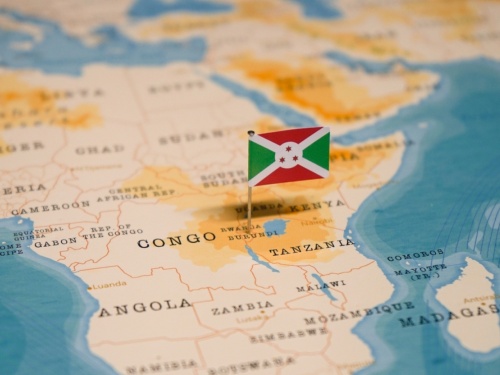
Medical Waste Management and Incinerator Use in Burundi

Medical Waste Management and Incinerator Use in Burundi

Burundi, a small East African country with a population of around 13 million, faces challenges in safely managing healthcare waste. Its healthcare system includes:

  • A network of national hospitals, district hospitals, and local health centers

  • Growing numbers of NGO-supported clinics, especially in rural and border areas

Most health facilities generate infectious waste: used syringes, dressings, laboratory waste, and small amounts of pathological and pharmaceutical waste.


Waste Treatment Practices

Historically, many facilities relied on:

  • Simple single-chamber brick incinerators, often locally built

  • Open pit burning or burial behind facilities, which pose public health and environmental risks

  • Occasional transport of limited quantities of hazardous waste to centralized sites in larger towns

Such methods often fail to reach the high temperatures (≥850°C) needed to safely destroy pathogens and reduce harmful emissions.


Introduction of Modern Incinerators

In the past decade, improvements have come through:

  • International donor-funded projects (e.g., WHO, UNICEF, Gavi, and the Global Fund) supporting installation of safer, dual-chamber incinerators

  • Procurement of small to medium-capacity diesel-fired incinerators, often 10C50 kg/hour, suitable for hospitals and district health centers

  • Some incinerators installed as part of maternal and child health and vaccination programs to handle increased volumes of sharps and used PPE


Examples of Facilities Using Incinerators

While detailed national lists are limited, known sites include:

  • Centre Hospitalo-Universitaire de Kamenge (CHUK) in Bujumbura, the capital: reported to operate a higher-capacity dual-chamber incinerator serving the hospital and surrounding facilities

  • Ngozi Regional Hospital and Gitega Regional Hospital: have small diesel-fired incinerators, partly funded by donor programs

  • Selected district hospitals and communal health centers equipped with smaller, locally built brick incinerators or imported compact incinerators

NGO-supported field hospitals and refugee health posts, particularly near the Tanzania border, have also deployed containerized mobile incinerators to manage periodic spikes in medical waste.


Technical and Environmental Trends

  • Shift from single-chamber to dual-chamber units: better pathogen destruction and fewer visible emissions

  • Growing demand for compact, containerized incinerators: suitable for remote rural areas where waste transport is not practical

  • Consideration of wet scrubber systems or chimney extensions to reduce particulate emissions, especially in urban hospitals

  • Emphasis on operator training and maintenance support, often bundled with equipment purchases to ensure long-term usability


Remaining Challenges

  • Limited budget allocation by public health authorities means continued dependence on donor-funded procurement

  • Many rural health centers still rely on low-efficiency incinerators or uncontrolled burning

  • A need to update national guidelines and enforce standards on temperature monitoring and emission controls

Burundi is gradually improving medical waste treatment by installing modern, dual-chamber incinerators, especially in key hospitals and through donor-supported programs. Compact, mobile, and containerized models―such as those offered by HICLOVER―are particularly suited for Burundi’s mix of small rural facilities and larger district hospitals, offering safe and practical solutions where infrastructure is limited.

For technical details, tailored proposals, or examples of compact incinerators ideal for Burundi’s health sector, visit:
www.hiclover.com
or contact: [email protected]


Mobile: +86-13813931455(WhatsApp)

Email:     [email protected]     
Email:     [email protected]

Incinerator Items/Model HICLOVER TS20(PLC)

Main Product List per 01 set
Primary Combustion Chamber
Secondary Combustion Chamber
Smoke Filter Chamber
Incinerator PLC Control Case
Chimney:5.0Meters 
*(upgrade to Stainless Steel, free cost)
Italy oil burner: 02 units
Oil Tank (if oil fuel): 200Liters

Incinerator Items/Model HICLOVER TS20(PLC)
Burn Rate (Average) 20-30 kg/hour
Feed Capacity(Average) 40kg/feeding
Control Mode PLC Automatic
Primary Combustion Chamber 210L
Internal Dimensions 65x65x50cm


Nanjing Clover Medical Technology Co.,Ltd.
Ecolead Technology(Nanjing) Co.,Ltd.
Mobile: +86-13813931455(WhatsApp)

Website: www.hiclover.com 
Email:     [email protected] 
Email:     [email protected]      
2023-04-09