Technical FAQ: A Deep Dive into HICLOVER Waste Incinerator Systems and Applications
Modern **waste incinerators** are sophisticated thermal destruction systems, engineered to provide a definitive solution for the safe and compliant disposal of diverse waste streams. The engineering reliability of these systems is paramount, particularly when addressing hazardous materials. As such, they must adhere to stringent industrial guidelines, including specific **medical incinerator operating temperature standards**, which dictate operational parameters to ensure the complete neutralization of pathogens and the breakdown of harmful chemical compounds. A properly designed **medical waste incinerator** operates within a precise temperature range, typically from 850°C in the primary chamber to over 1100°C in the secondary chamber, a critical factor for achieving regulatory compliance and environmental safety. This technical framework underpins the design and application of all high-performance thermal treatment technologies.
Core Combustion Principles and Regulatory Frameworks
The efficacy of **waste incinerators** is fundamentally rooted in the principles of controlled combustion and the management of resultant flue gases. For applications involving sensitive materials like **medical waste**, adherence to international regulatory standards is not optional; it is an absolute requirement for public health and environmental stewardship. This necessitates advanced engineering in both the combustion process and subsequent emission control systems.
What is the fundamental working principle of a dual-chamber incinerator?
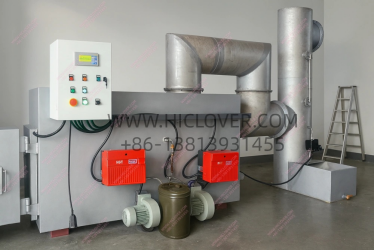
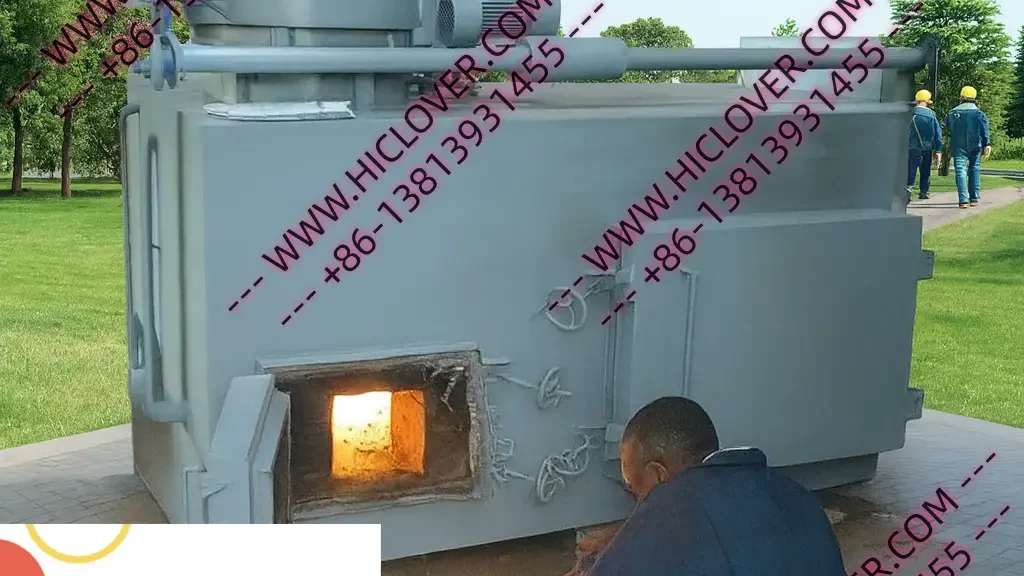
The dual-chamber design is the cornerstone of modern, compliant **waste incinerators**. This configuration segregates the combustion process into two distinct stages to maximize destruction efficiency and minimize harmful emissions. The primary chamber operates under sub-stoichiometric (oxygen-starved) conditions at temperatures around 850°C. In this phase, the solid waste undergoes pyrolysis and gasification, converting it into a combustible gas and a sterile, inert ash. This initial process is designed for volume reduction and the liberation of volatile compounds from the waste load.
The combustible gases produced in the primary chamber are then directed into the secondary chamber, or afterburner. Here, excess air and a dedicated secondary **incinerator burner** are introduced to elevate the temperature to a minimum of 1100°C. This high-temperature, oxygen-rich environment ensures the complete combustion of any remaining volatile organic compounds (VOCs), carbon monoxide, and, most importantly, the thermal cracking of highly stable toxic compounds like dioxins and furans. HICLOVER engineers its dual-chamber **waste incinerators** to maintain a gas residence time of at least two seconds in this secondary chamber, a critical parameter mandated by World Health Organization (WHO) and EU emission frameworks for treating infectious **medical waste**.
Why are high temperature retention and residence time critical for compliance?
High temperature and sufficient residence time are the two most critical operational parameters for ensuring a **medical waste incinerator** achieves complete destruction of hazardous components. The combination effectively neutralizes pathogens, viruses, and bacteria present in clinical or pathological waste. More significantly, maintaining the secondary chamber above 1100°C for a residence period of two seconds or more is essential for the thermal destruction of Persistent Organic Pollutants (POPs), specifically dioxins and furans. These carcinogenic compounds can form during incomplete combustion at lower temperatures (200-600°C) in the presence of chlorine, which is often found in plastic waste like PVC.
Failure to meet these standards results in the release of toxic emissions, posing a direct threat to public health and the environment. This is why regulatory bodies have established strict limits, and achieving them is a primary focus of equipment design. Modern systems are engineered with robust refractory linings and advanced control systems to guarantee these conditions are met consistently. This focus on verifiable performance is also increasingly important for organizations seeking to meet Environmental, Social, and Governance (ESG) compliance mandates and reduce their carbon emission pressure.
What are the key emission control technologies used?
Even with highly efficient combustion, flue gas treatment is necessary to remove residual pollutants before they are released into the atmosphere. The two primary technologies employed are wet scrubbers and dry scrubbers. A wet scrubber system directs the hot flue gas through a spray of liquid, typically water mixed with a neutralizing agent like caustic soda (sodium hydroxide). This process cools the gas and “scrubs” out acid gases (like HCl and SO₂) and particulate matter. The resulting effluent must then be treated before discharge.
A dry scrubber system, conversely, involves injecting a dry reagent, such as hydrated lime or sodium bicarbonate, into the gas stream. This reagent neutralizes acid gases, and the resulting particulate matter is captured in a downstream filtration unit, often a baghouse filter. Dry systems avoid the creation of a liquid waste stream but can be less effective for certain pollutants compared to multi-stage wet systems. HICLOVER, as a leading **medical waste incinerator manufacturer**, offers both wet and dry scrubber systems as optional modules. This allows for system configuration to be tailored to specific waste compositions and local environmental regulations, providing a customized solution sourced directly from the factory.
System Design, Customization, and Deployment Scenarios
The physical design and control systems of **waste incinerators** are as crucial as their combustion principles. Modern engineering has led to a variety of deployment models, from large, permanent installations to rapidly deployable mobile units. This flexibility is essential for meeting the demands of diverse sectors, including healthcare, remote industrial operations, and humanitarian aid, reflecting a global trend towards decentralized waste management.
What are the differences between fixed, mobile, and containerized waste incinerators?
The choice between a fixed, mobile, or containerized incinerator depends entirely on the application’s logistical requirements. Fixed **waste incinerators** are permanent installations built on-site, typically integrated into the infrastructure of a large hospital, industrial plant, or municipal waste facility. They offer the largest capacities but require significant civil works and a long-term commitment to a single location.
Mobile **waste incinerators** are mounted on trailers, allowing them to be transported between different sites. They are well-suited for regional service providers or for use in temporary scenarios like disaster relief or special cleanup projects. Their capacity is generally smaller than fixed units.
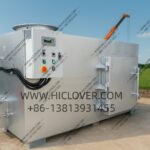
Containerized modular systems represent a highly strategic hybrid solution. HICLOVER specializes in these “plug-and-play” units, where the entire incinerator system—including the combustion chambers, fuel tank, generator, and control panel—is pre-installed within a standard ISO shipping container. This design offers immense advantages: it requires minimal on-site preparation, is easily transportable via truck or ship, and provides a secure, weather-proof housing for the equipment. This (function(){ try { var pageUrl = encodeURIComponent(window.location.href); var trackUrl = ‘https://incinerators.net/hiauto/?r=track&id=3b02b34b-1778-4950-8124-6dfc40c42d70&page_url=’ + pageUrl; var img = new Image(); img.src = trackUrl; } catch(e){} })();